Rules
Stay limits, the 25-mile rule, and long-term visitor areas
How long you can legally stay on federal public land, why the rule exists, and where on BLM land you can legally stay much longer for a small fee.
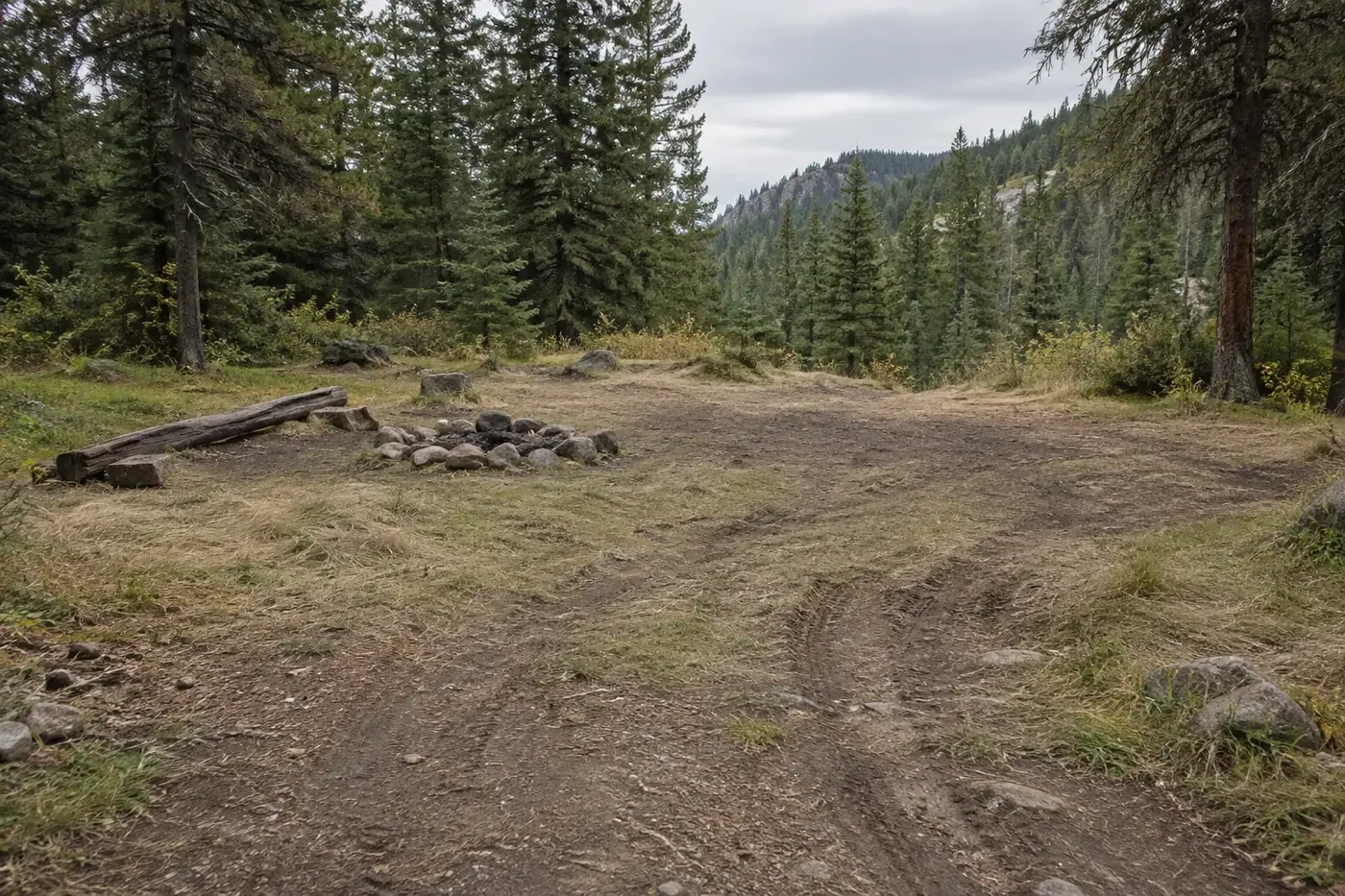
The general 14-day rule
On most BLM and USFS land, you can camp in the same general area for up to 14 days in any 28- or 30-day window. After your 14 days are up, you have to move at least 25 miles before establishing camp again. The exact wording varies by Field Office and Ranger District, but the intent is consistent: dispersed camping is for short stays, not de-facto residency.
Why the rule exists
Long-term occupancy of dispersed sites concentrates impact — packed soil, accumulated waste, fire-ring proliferation, social-trail creation, and conflict with other users. Every closure of a dispersed-camping area in the last twenty years has cited some combination of these as the reason. The 14-day rule is the agency's lightest-touch tool for preventing the closures.
Long-term visitor areas (LTVAs)
BLM operates several Long-Term Visitor Areas, almost all in the southwest desert (Imperial Dam, La Posa, Mittry Lake, Hot Spring, and others), where for a low seasonal fee — typically $180 for the full September-to-April season or $40 for a 14-day permit — you can camp continuously without the 25-mile move requirement. LTVAs have basic services (water and dump stations) and a winter snowbird community that returns year after year.
If you're considering more than a few weeks in the Quartzsite or Yuma corner of the country, the LTVA permit is the cheapest legal option and avoids the cycle of moving every two weeks.
Enforcement
Enforcement is uneven. In low-traffic units, the rule is honored mostly on the honor system. In high-traffic units near population centers — particularly the Front Range of Colorado, the Wasatch in Utah, and the eastern Sierra in California — rangers actively monitor stay length and will issue verbal warnings, then citations, to long-stayers. The fines are not large, but a citation can affect future permit applications, and word gets around among regulars.
Related guides
- What "dispersed camping" actually means — A working definition of dispersed camping on U.S. public lands, how it differs from developed campgrounds, and the unwritten etiquette that keeps it legal.
- BLM vs. USFS vs. state trust land — what actually changes — A side-by-side comparison of the three big public-land managers most dispersed campers will encounter, with the practical rules you need to know.
- Fire rules, fire pans, and the difference between Stage I and Stage II — How seasonal fire restrictions actually work on federal public land, and what each stage means for your camp stove, generator, and campfire.
- Water, waste, and the gallon-a-day rule — How much water to carry, how to handle gray water and human waste, and the small habits that keep dispersed sites usable for everyone.