Land managers
BLM vs. USFS vs. state trust land — what actually changes
A side-by-side comparison of the three big public-land managers most dispersed campers will encounter, with the practical rules you need to know.
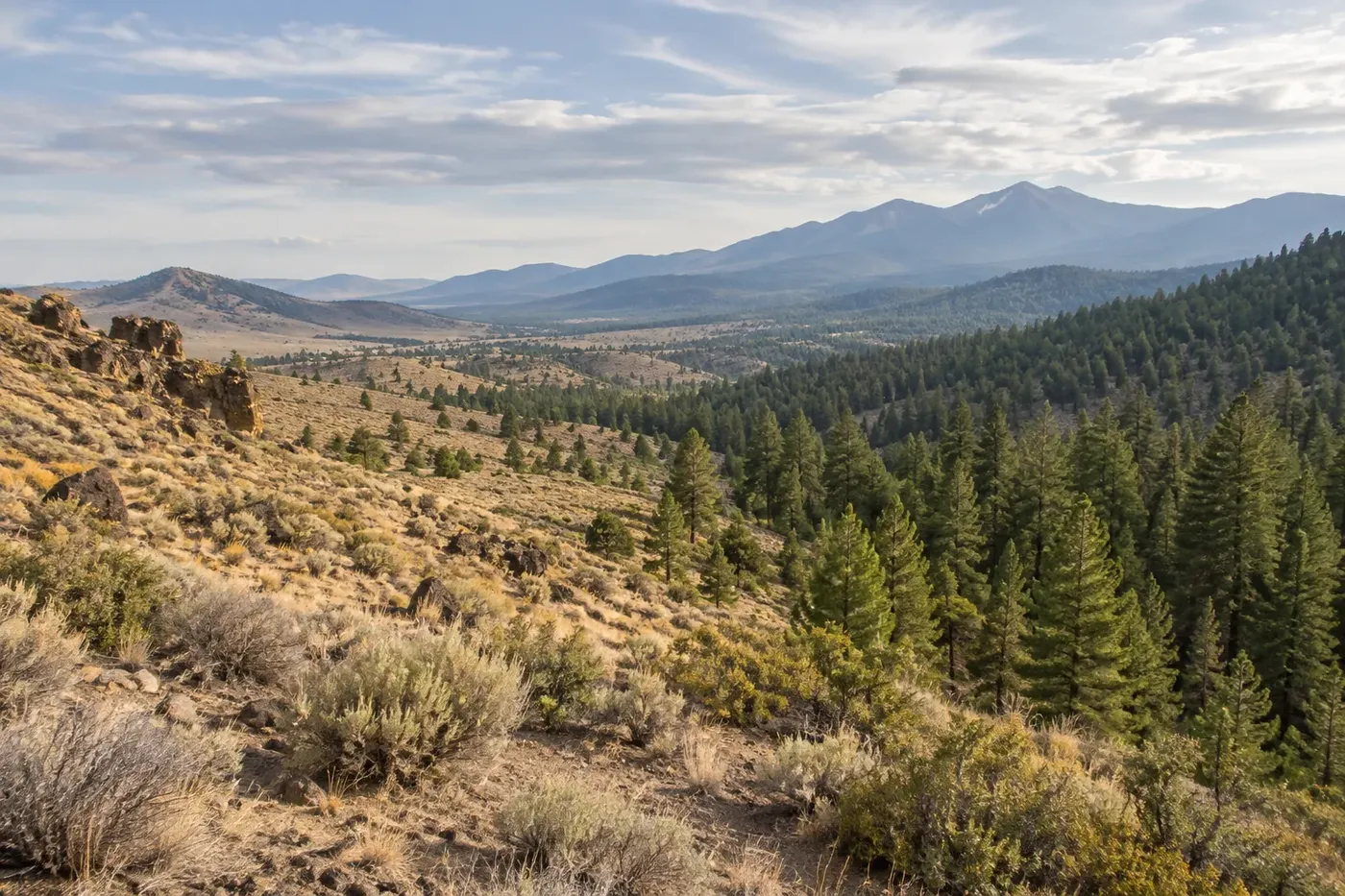
Bureau of Land Management (BLM)
BLM administers about 245 million surface acres, mostly in the western United States. The default posture on BLM land is permissive: you can camp anywhere that isn't expressly closed, off any road that's open to motor-vehicle use, for up to 14 days in a 28-day window, after which you must move at least 25 miles. There's no fee for general dispersed camping, though some specific areas (long-term visitor areas in the southwest, certain campgrounds, certain river corridors) have permit or fee systems.
BLM units are organized as Field Offices and Districts. Each Field Office publishes a Travel Management Plan that designates which roads and trails are open to motor vehicles. Always download or pick up the current map before you go — driving off-route on closed BLM land is a federal violation.
U.S. Forest Service (USFS)
USFS manages 193 million acres across the National Forest and National Grassland system. Dispersed camping is allowed on most National Forest land, with similar 14-day stay limits, but USFS uses a different mapping product: the Motor Vehicle Use Map (MVUM), one per Ranger District, free to download. The MVUM is the legal source of truth for which roads you can drive and which dispersed sites you can pull off into.
Forest-Service dispersed camping is generally similar to BLM in feel — drive a forest road, find a clearing, camp. Differences include a tendency toward more vegetation and shade (forest, not desert), tighter fire restrictions in dry years, and more aggressive bear food-storage rules in some districts. Always check the local Ranger District page for current closures and fire-danger orders.
State trust land
State trust lands are a different beast. Originally granted to states at admission, they're held in trust to generate revenue for schools and other beneficiaries. Recreation is a secondary use, and rules vary dramatically by state. Arizona, New Mexico, Idaho, Montana, Washington, and a handful of others sell inexpensive recreation permits — typically $15-30/year — that grant overnight camping access. Some states require trust permits even to set foot on the land for recreation; others quietly tolerate dispersed camping without one.
If you're planning to camp on state trust land, look up the state-level land department's recreation page (usually called something like 'State Land Department' or 'Department of Natural Resources') and read the actual statute or rule before you go. The rules change more often than they do on federal land.
Related guides
- What "dispersed camping" actually means — A working definition of dispersed camping on U.S. public lands, how it differs from developed campgrounds, and the unwritten etiquette that keeps it legal.
- Fire rules, fire pans, and the difference between Stage I and Stage II — How seasonal fire restrictions actually work on federal public land, and what each stage means for your camp stove, generator, and campfire.
- Water, waste, and the gallon-a-day rule — How much water to carry, how to handle gray water and human waste, and the small habits that keep dispersed sites usable for everyone.
- How to find a good dispersed pitch you can actually drive to — A practical field protocol for choosing a dispersed campsite from satellite imagery, motor-vehicle-use maps, and on-the-ground reading of the road.