Ethics
Leave No Trace for vehicle-based dispersed campers
The seven Leave No Trace principles, translated specifically for car-camping, van-life, and truck-camper users on dispersed public land.
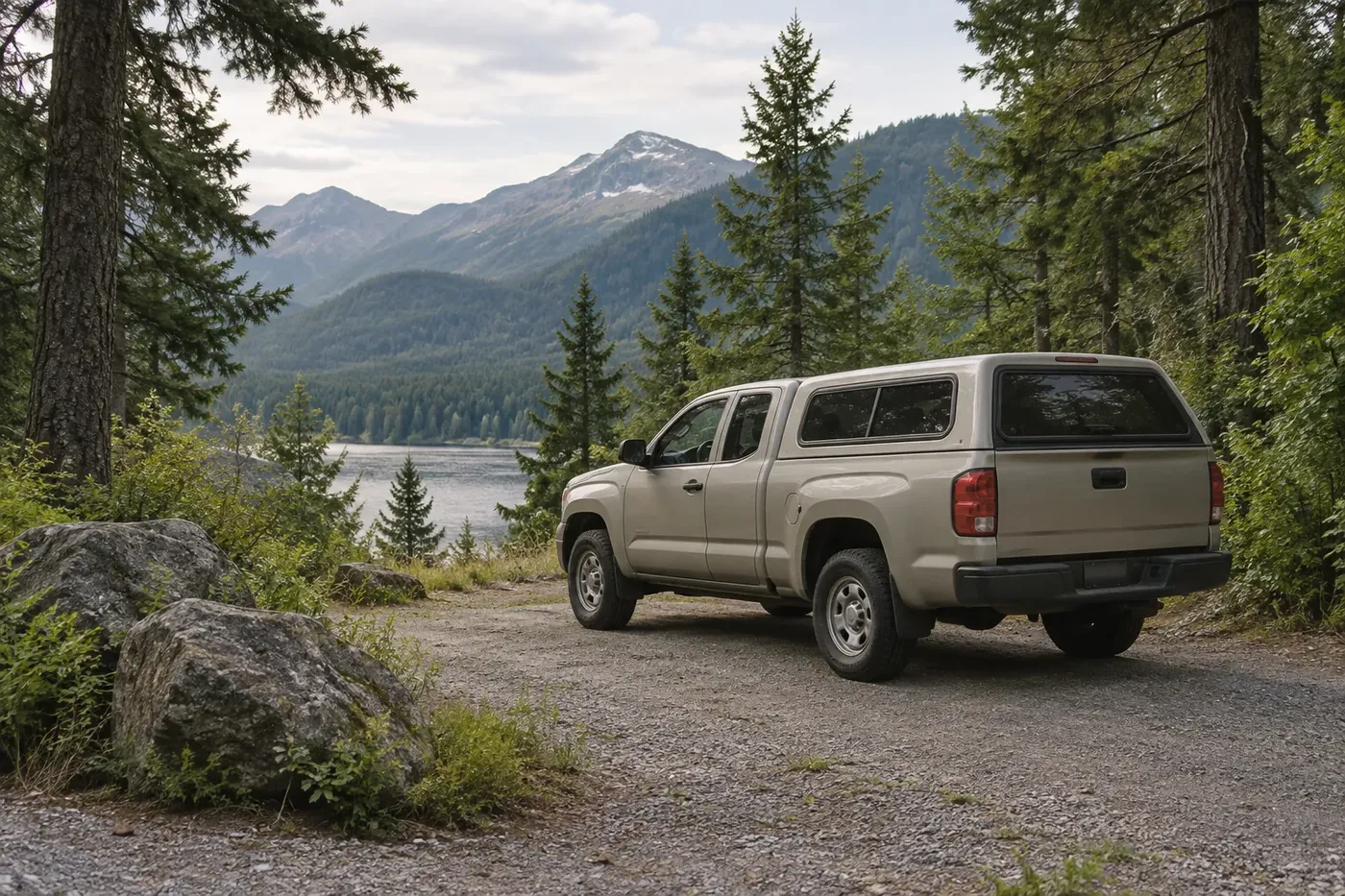
Plan ahead and prepare
For vehicle camping, planning is mostly about not arriving unprepared. Know the fire-restriction stage. Know the road conditions and the weather forecast. Carry recovery gear appropriate to the road you're driving — a shovel and traction boards are reasonable minimums. Have a paper map as a backup to digital. Tell someone where you're going and when you'll be back.
Travel and camp on durable surfaces
On dispersed land, the durable surface is bare mineral soil, slickrock, or established compacted clearings. Vegetation, biological soil crust (the dark crusty stuff in southwest desert), and meadow ground are not durable. Drive only on legal open roads, park in existing pull-outs, and pitch your tent on the most worn ground available even if it's not the prettiest spot in the clearing.
Dispose of waste properly
Pack out all trash, including food scraps. Carry out toilet paper. Use a wag-bag in alpine, slickrock, and high-use desert. Strain and scatter gray water 200 feet from water sources. Never dump black-tank or gray-tank water from an RV or van anywhere except a designated dump station; doing so on public land is a federal crime and the fines are steep.
Leave what you find
Don't move rocks to build new fire rings. Don't carve trees. Don't collect arrowheads, pottery, or any artifact more than 50 years old — that's a federal Antiquities Act violation. Don't dig fire pits. Leave the site so the next person sees the same clearing you did, not your improvements to it.
Minimize campfire impacts
Use a fire pan or an existing fire ring, never a new one. Burn only down-and-dead wood you can break by hand. Burn to white ash, drown twice, stir, and verify cold to the touch before you leave. In Stage I or above, don't have a fire at all.
Respect wildlife
Store food, trash, and toiletries in your locked vehicle or a hard-sided container. Never feed wildlife, even passively by leaving food unattended. Keep dogs leashed in wildlife habitat — chasing a deer, even briefly, can fatally stress it during winter or fawning season.
Be considerate of others
Camp far enough from other parties that you can't hear their conversation. Generators are the single biggest source of dispersed-camping conflict; if you must run one, run it during daylight hours and stop by 8 p.m. Headlights into other camps are inconsiderate. So is loud music. The dispersed-camping social contract is 'we're all here for the quiet.' Honor it.
Related guides
- What "dispersed camping" actually means — A working definition of dispersed camping on U.S. public lands, how it differs from developed campgrounds, and the unwritten etiquette that keeps it legal.
- BLM vs. USFS vs. state trust land — what actually changes — A side-by-side comparison of the three big public-land managers most dispersed campers will encounter, with the practical rules you need to know.
- Fire rules, fire pans, and the difference between Stage I and Stage II — How seasonal fire restrictions actually work on federal public land, and what each stage means for your camp stove, generator, and campfire.
- Water, waste, and the gallon-a-day rule — How much water to carry, how to handle gray water and human waste, and the small habits that keep dispersed sites usable for everyone.