NPS
National Park Service (NPS)
NPS manages 84 million acres across National Parks, Monuments, Recreation Areas, and Seashores. Dispersed camping is generally not allowed; backcountry camping requires a permit.
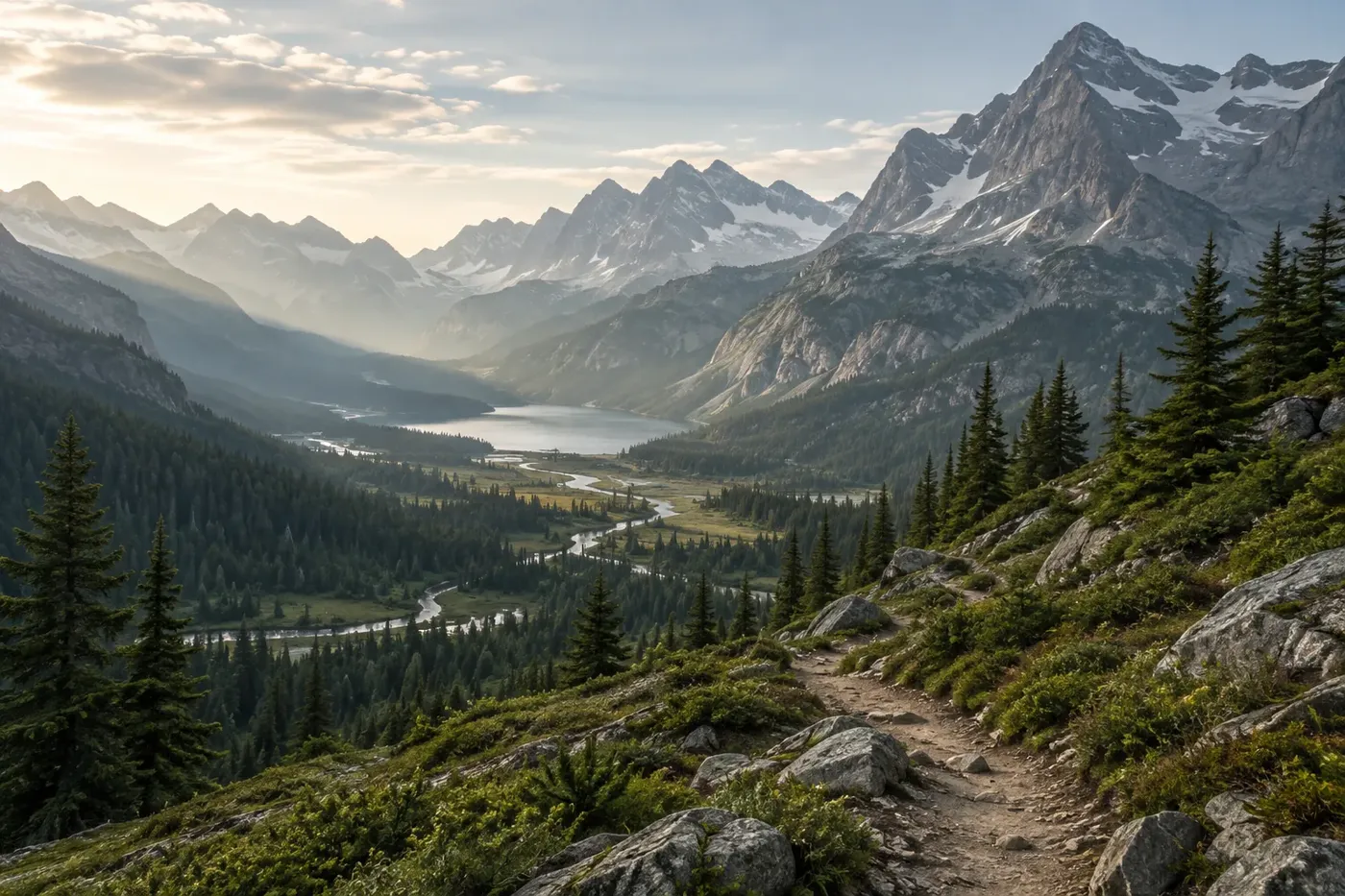
How NPS differs
The National Park Service is the most restrictive of the four major federal land managers when it comes to camping. The default in National Parks is no camping outside designated campgrounds, period. Most parks operate developed campgrounds that take reservations through Recreation.gov.
The exception is backcountry camping, which most parks allow with a permit. Backcountry permits are park-specific, often quota-limited, and frequently require advance reservations through Recreation.gov. They are not 'dispersed camping' in the BLM/USFS sense — you camp in designated zones or along specific routes, and the rules are tightly enforced.
National Recreation Areas and National Seashores
Some NPS units — particularly National Recreation Areas (Lake Mead, Glen Canyon, etc.) and National Seashores — have more permissive camping rules that resemble BLM dispersed camping. These are exceptions, and rules vary unit to unit. Always check the specific unit's website.
Why the rules are stricter
National Parks see far more visitors per acre than BLM or USFS land — Yellowstone alone gets four million visitors a year. The infrastructure-heavy, designated-campground model is a response to that traffic. Wild Pitch Index does not list NPS dispersed sites because, with limited and unit-specific exceptions, NPS land is not dispersed-camping land.