BLM
Bureau of Land Management (BLM)
The largest federal land manager by acreage, BLM administers about 245 million surface acres in the western United States — most of it open to dispersed camping by default.
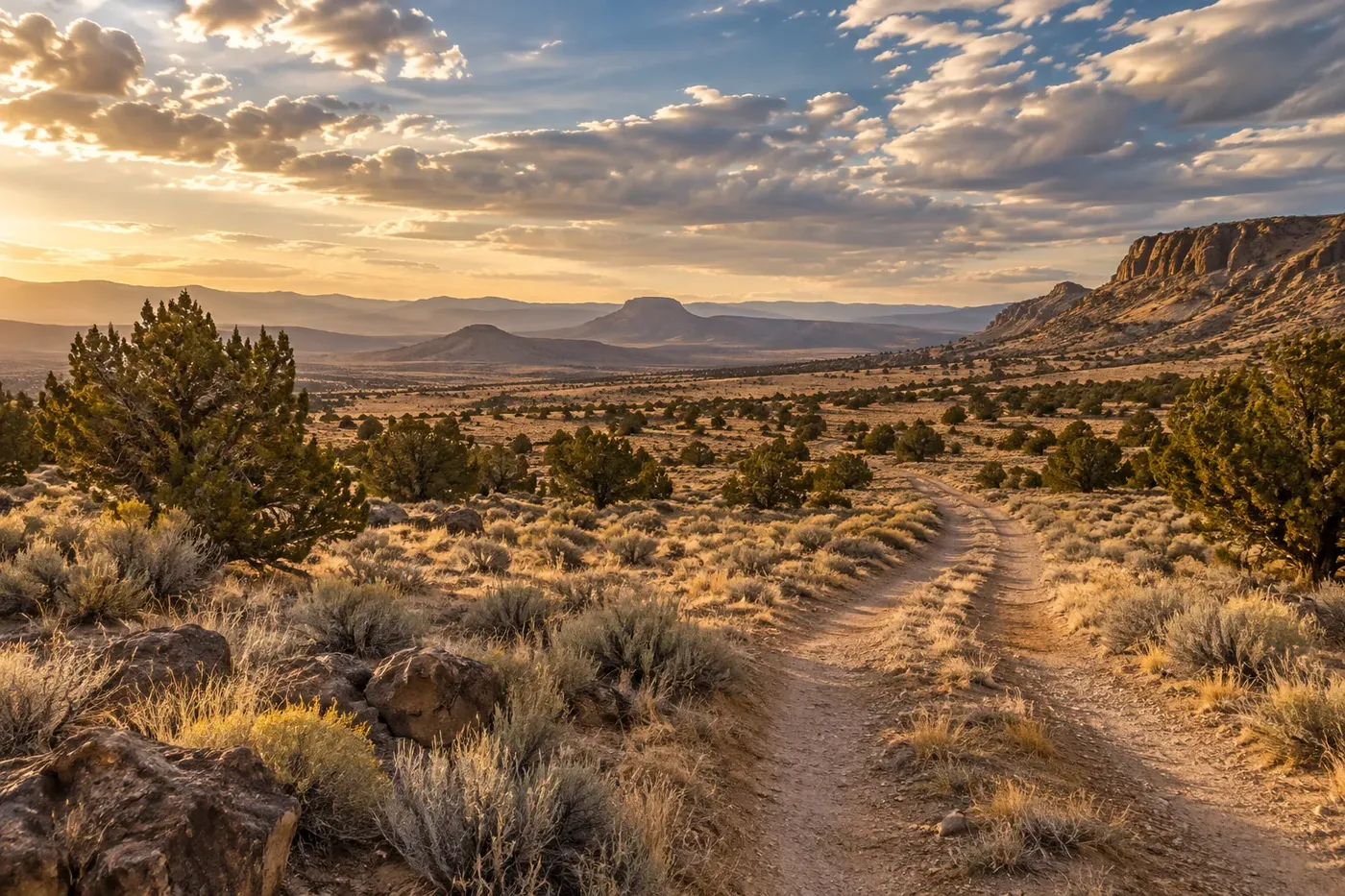
What BLM is
The Bureau of Land Management sits inside the U.S. Department of the Interior. It administers roughly 245 million surface acres and 700 million acres of subsurface mineral estate, almost all of it in the western states (Alaska, Arizona, California, Colorado, Idaho, Montana, Nevada, New Mexico, Oregon, Utah, and Wyoming, with smaller holdings in Washington and a handful of plains states).
Of the four major federal land managers, BLM is by far the most permissive about dispersed camping. The general rule across most BLM land is that you can camp anywhere not specifically closed, off any road open to motor-vehicle use, for up to 14 days in a 28-day window. There is no general fee.
How BLM is organized
BLM is organized as State Offices → District Offices → Field Offices. The Field Office is the unit you'll most often interact with as a camper: it publishes the local Travel Management Plan, maintains the recreation pages, and answers the phone when you call about access. Each Field Office covers a specific geographic area and may have unit-specific rules layered on top of the general dispersed-camping rules.
The official source for current rules is always the relevant Field Office's website. Generic 'BLM camping' articles online are often outdated or oversimplified — local Travel Management Plans control.
Special area types
Most BLM land is general-use, but some areas have special designations: National Monuments, National Conservation Areas, Wilderness Study Areas, and Areas of Critical Environmental Concern. Dispersed camping rules can be stricter in these areas — sometimes designated dispersed sites only, sometimes a permit requirement, sometimes a complete prohibition on motor-vehicle use off main roads.
BLM also operates Long-Term Visitor Areas (LTVAs) in the southwest desert that allow extended stays for a low seasonal fee, and a network of fee campgrounds with developed amenities. These are exceptions to the general permissive model, not the rule.